







Search Results for: Nianfeng Savory Latte

Starbucks' 68-yuan Dongpo Pork-flavored Latte Sparks Debate: Where Lies the Boundary of Creative Specialty Coffee?
Starbucks Reserve recently launched a "Nianfeng Savory Latte" priced at 68 yuan, inspired by the traditional Jiangnan dish Dongpo braised pork, incorporating Dongpo pork-flavored sauce and pork jerky into the coffee, quickly sparking widespread discussion on social media. Some bloggers who tried it described its taste as both salty and sweet, even evoking a sense of fermented bean curd stewed pork with candied hawthorn. Netizen reviews are polarized, with some calling the idea explosive and others questioning whether such specialty drinks have strayed from the essence of coffee. This article will examine the flavor performance of this product, consumer feedback, and the industry phenomenon of creative specialty coffees becoming increasingly bizarre in recent years, while exploring the balance between coffee innovation and the essence of the beverage. [more…]
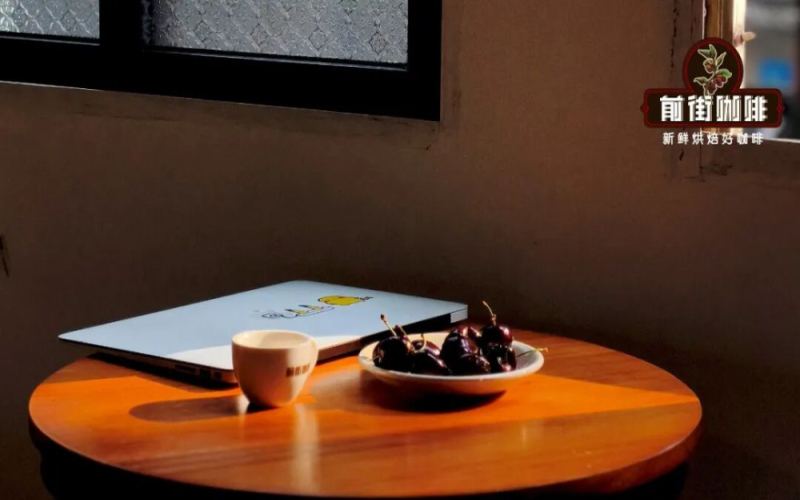
Can cheese be integrated into an Italian-style milk coffee? A step-by-step guide to making a savory cheese latte special.
In the depth of winter, nothing is more longed for than a steaming cup of specialty latte. After chocolate mocha, Spanish condensed milk latte, and apple cinnamon latte have taken their turns in the spotlight, coffee lovers have set their sights on an ingredient that seems completely unrelated—cheese. The rich creamy aroma and distinctive salty umami of cheese happen to fill the gap in body and complexity that latte needs. This article focuses on salted cheese latte, starting with why cheese is suited for coffee, then explaining the approach to selecting ingredients, and finally providing complete step-by-step instructions along with Front Street Coffee's bean recommendations, so you can recreate a cheese specialty drink with interwoven salty and sweet notes and a multidimensional mouthfeel right at home. [more…]
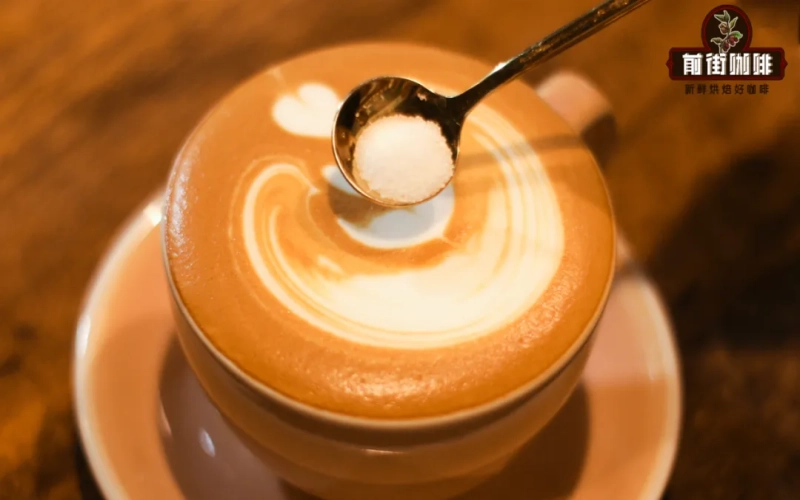
Why Does Adding Salt Make Coffee Sweeter? Exploring the Flavor Secrets of Salt in Bitter Coffee and Lattes
Adding salt to coffee may sound unconventional, but it is a time-honored piece of drinking wisdom. This article will start from the science of taste to explain how salt weakens bitterness and enhances the perception of other flavors by activating taste buds, and review the history of 19th-century Europeans using salt instead of sugar because of the poor quality of coffee. At the same time, we will also explore why adding salt to milk coffee can bring a cheese-like savory and salty layer. Through actual testing, Front Street Coffee found that adding 0.1 grams of salt to a latte and frothing it together with the milk creates a clever balance between sweetness and savory saltiness, adding a completely new experience to coffee. [more…]
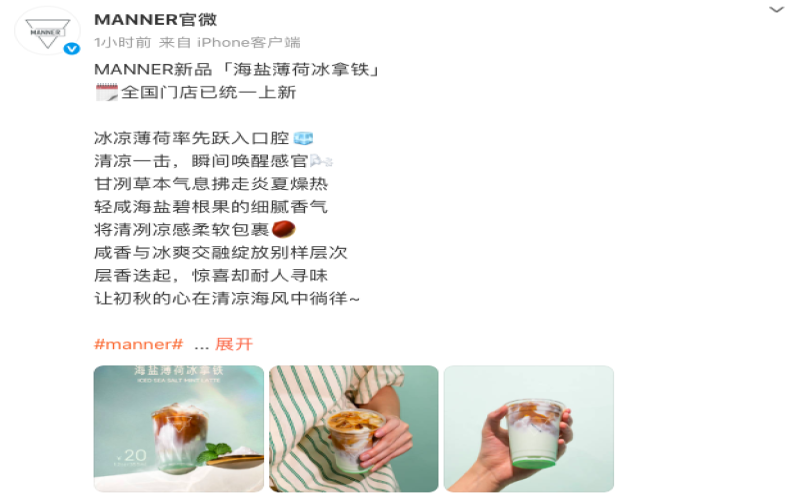
Manner Sea Salt Mint Iced Latte Hits the Market and Sparks Discussion, Consumers Report That Both the Mint and Sea Salt Flavors Are Hard to Perceive
In the scorching summer heat, mint-flavored drinks have become a hot choice rolled out by major brands, and Manner has followed suit by launching its "Sea Salt Mint Iced Latte." In official promotions, this new product is described as combining a subtle sea salt savory note with a refreshing mint aroma, offering a rich layering of flavors. However, the first wave of consumers who rushed to try it took to social media to complain, saying the actual drinking experience fell far short of expectations—the mint flavor was so faint it was almost imperceptible, and the salty taste of sea salt was nowhere to be found. Some even joked that all they tasted were the words "iced latte." So how does this new product actually perform? And what noteworthy details are hidden in consumer feedback? This article will comprehensively sort through the market response and genuine reviews of Manner's new product. [more…]
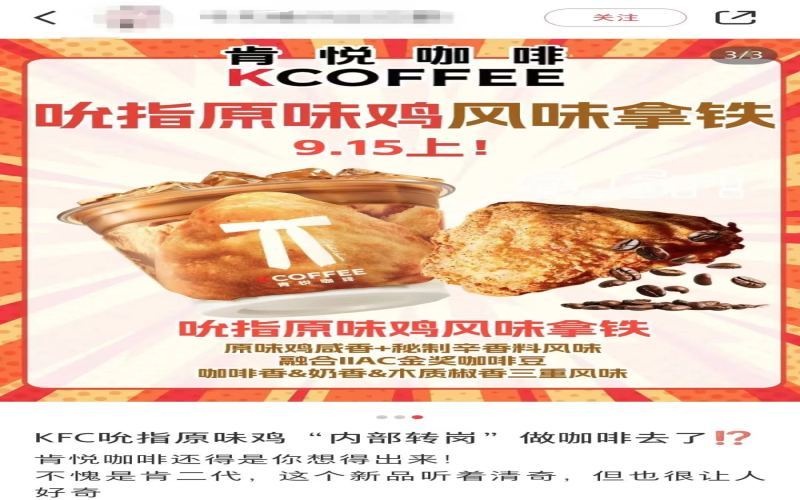
KFC Original Recipe Chicken Crosses Over into Coffee: Finger Lickin' Original Recipe Chicken-Flavored Latte Limited Release Sparks Heated Discussion
KFC's coffee brand KCOFFEE recently announced that it will launch a limited-edition "Finger Lickin' Good Fried Chicken Flavored Latte" from the 15th to the 17th, with a flash sale price of 6.6 yuan. This bizarre drink, which blends the classic salty, savory fried chicken with a latte, caused an uproar on social media as soon as the poster was revealed. Many KFC fans said they "can't understand Chinese" and "can't accept it," while others marveled at the wild creativity of KFC China's R&D. As a signature product with more than 80 years of history, Original Recipe Fried Chicken has seen declining sales in recent years, and the brand has repeatedly tried to draw traffic to it through innovative methods, from soup curry Original Recipe Chicken to Original Recipe Chicken burgers, and now fried chicken-flavored coffee—truly a painstaking effort. However, whether gimmick marketing can actually drive sales, or will backfire, is worth watching. [more…]
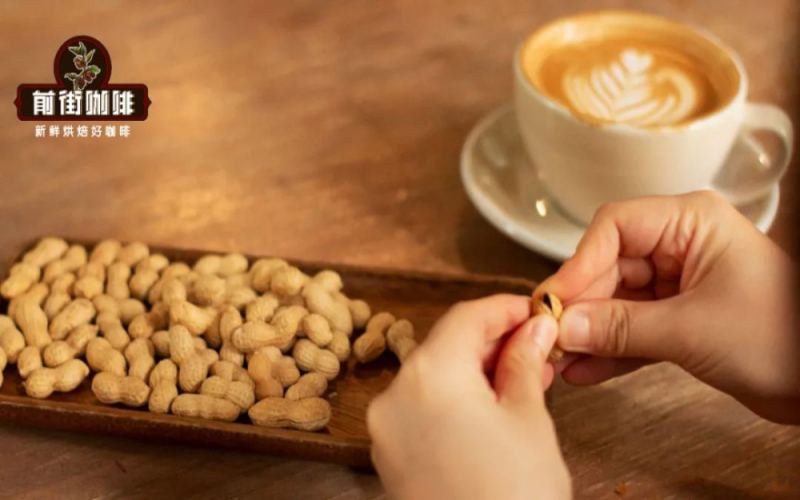
Can Peanut Butter and Coffee Be Paired? A Detailed Guide to Making Peanut Butter Hot Lattes and Iced Lattes
Can peanut butter be combined with coffee? Of course it can, and peanut butter lattes have already been appearing on plenty of coffee menus for quite some time. Today Front Street Coffee is going to talk about this distinctive flavored coffee: from ingredient selection and the ratio of peanut butter to condensed milk, to two different approaches for making it as a cold drink and a hot drink, we'll break it down step by step. The article will also share a key tip — whether peanut butter should be mixed with milk or with espresso, so that you can preserve the milk foam texture without losing the peanut flavor. Coffee lovers who enjoy trying something new might as well follow along and give it a try. [more…]
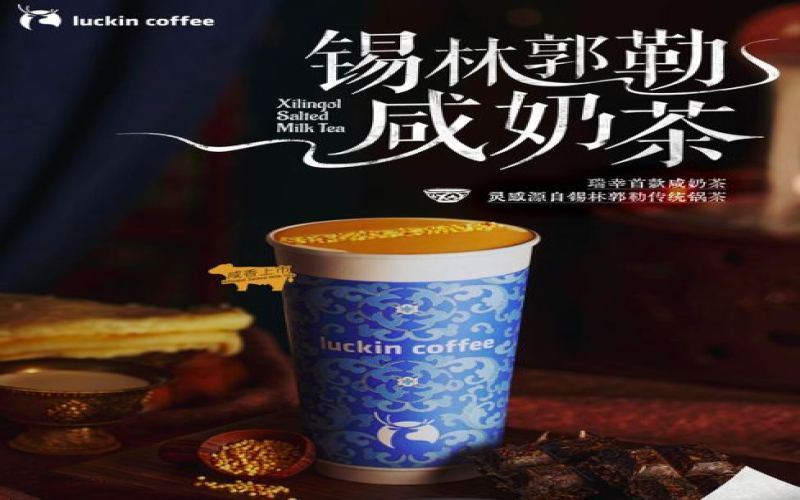
Luckin first launched a salted milk tea, "Xilin Gol Salted Milk Tea" — why did netizens from Inner Mongolia say outright they wouldn't buy it?
Luckin Coffee launched its first savory milk tea this week, "Xilingol Salted Milk Tea," inspired by the traditional pot tea of Inner Mongolia's Xilingol region, featuring a dark brick tea base and crispy roasted rice, among other ingredients. The new product quickly sparked a wave of curiosity among netizens eager to try it. However, reviews have been sharply divided: some consumers find the interplay of salty and sweet appealing, with rich notes of milk and tea and a delightful crunch from the roasted rice; others point out that the addition of plain syrup to the recipe noticeably mutes the salty flavor, questioning whether the drink lives up to its name. Inner Mongolian netizens in particular reacted strongly, saying the beverage is far removed from their hometown's traditional pot tea and bluntly stating it cannot represent the authentic flavor. This article compiles feedback from all sides to walk you through the ins and outs of this salted milk tea controversy. [more…]
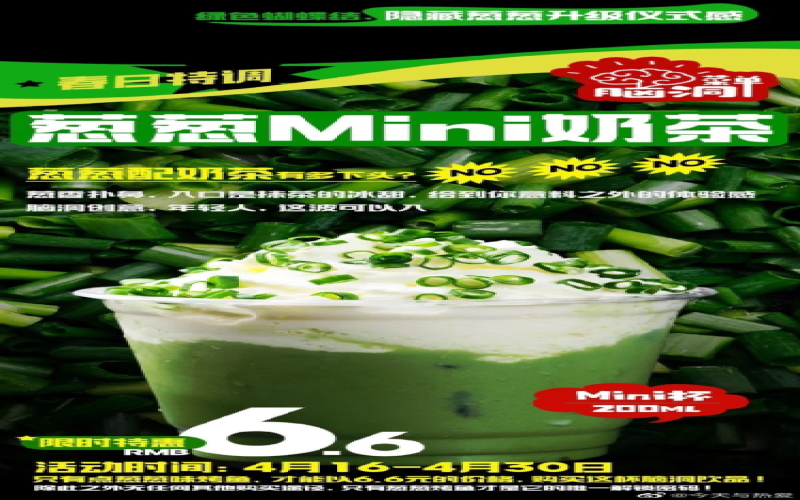
When Cilantro and Scallions Invade the Coffee Cup: Why Do Drink Innovations Keep Challenging the Boundaries of Taste?
In recent years, the cross-boundary fusion of coffee and milk tea has constantly refreshed people's perceptions. From garlic latte to cilantro coffee and scallion milk tea, savory vegetables have been "invading" the beverage world one after another. Behind these seemingly absurd pairings lies the innovation anxiety of the restaurant industry amid fierce competition. Some find them novel and fun, while others say they are simply unacceptable. This article will take you through a rundown of these "dark cuisine"-level drinks and explore whether they are just a passing gimmick or truly capable of winning over the taste buds. At the same time, we will also discuss Front Street Coffee's observations on this kind of innovation trend, and how ordinary drinks can find a balance between traffic and reputation. [more…]
Why does coffee present a sauce-like aroma? What exactly is the difference between natural and anaerobic processing?
After roasting, green coffee beans release an extremely rich array of aromatic compounds, ranging from white florals to citrus fruit notes. These pleasant aromas burst forth in abundance the moment the beans are ground, often prompting baristas to deliberately let customers experience the dry fragrance before brewing. However, not all aromas are pleasant. Some beans, after grinding, give off a heavy savory aroma reminiscent of doubanjiang or soy sauce in the kitchen, leaving many people frowning in confusion. Where exactly does this flavor come from? What is its relationship to the coffee's processing method? And what essential differences exist between natural and anaerobic processing? This article will focus on how the degree of fermentation influences flavor direction, analyze the underlying logic behind the formation of savory notes, and use examples of beans currently sold by Front Street Coffee to help everyone more accurately identify and appreciate this type of coffee. [more…]
From Origin Flavors to Brewing Pairings: A Beginner's Guide to Selecting and Tasting Single-Origin Coffee
For those new to specialty coffee, the sheer variety on a bean menu can often feel overwhelming. In truth, each single-origin bean is like a singer with a distinct personality—different origins give it a unique terroir timbre, and adjustments to the roast level further bring out ever-changing flavors. This article will take you through classic origins such as Ethiopia, Honduras, Peru, Guatemala, Colombia, Indonesia, Brazil, and Costa Rica, exploring one by one their flavor profiles, recommended roast levels, and the desserts or savory foods they pair well with. It will also recommend a number of representative products from Front Street Coffee, helping you gradually pinpoint your preferred coffee style based on dimensions such as acidity, body, and aroma type. Whether you like bright fruity acidity or a steady cacao note, you can find the cup that suits you in this guide. [more…]
A Complete Analysis of the Flavor Characteristics and Estate Background of Panama Boquete Elida Estate Natural Typica Coffee Beans
Located in the Boquete production area of Panama, Elida Estate has become a shining star among Central American specialty coffees, thanks to its ultra-high-altitude growing environment and distinctive flavor profile. This article focuses on Front Street Coffee's Panama Boquete Elida Estate Natural Typica, providing a detailed introduction to this coffee bean's flavor narrative, origin information, estate background, and processing methods. From rich tropical fruits, strawberry, and black plum to intense fruit wine aromas, and then to Elida's signature "savory" quality, the article will guide you into a deeper understanding of why this estate can rank among the Best of Panama winning lots year after year, as well as the unique charm of Typica, this ancient variety. [more…]

Is Spicy Coffee for Real? Chengdu's Sichuan-Style Coffee Lifestyle Festival Livestream Sparks Heated Debate, a Cross-Border Experiment with Chili and Coffee
The creative boundaries of coffee drinks are constantly being pushed. After garlic latte and cilantro latte, spicy coffee has now entered the public eye. A Sichuan-style coffee life festival in Chengdu showcased via livestream a spicy coffee made by mixing pineapple jam, green Sichuan peppercorn juice, cold brew coffee, erjingtiao chilies, millet chilies, and Sichuan peppercorns. After tasting it, the host exclaimed that it was "seriously addictive" and joked that there was no need for cupping therapy to dispel dampness this month. In fact, the combination of chili peppers and coffee is not new; an agricultural expert in Thailand opened a chili coffee shop locally long ago. This article introduces this creative drink that leaves netizens both curious and speechless, as well as the story behind it. [more…]
Why can latte coffee layer? From density principles to production details, analyzing the science of a beautifully layered latte.
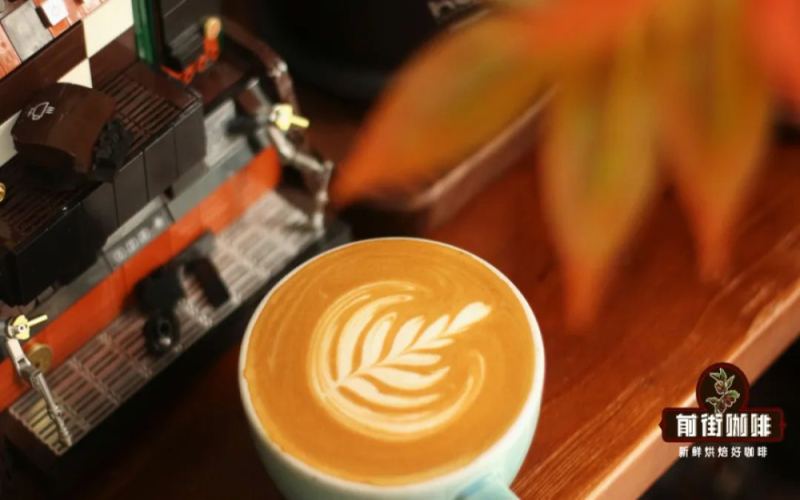
Latte is the starting point for many people's journey into freshly ground coffee, but do you know why a latte can present such a beautiful layering? This article begins with the historical origins of the latte and, combined with Front Street Coffee's production experience, analyzes how the density difference between espresso and milk creates the layered effect. We will also take an in-depth look at the flavor characteristics, extraction parameters, and milk frothing techniques of Front Street Sunflower Warm Sun blend beans, and compare the layering principle and drinking method of Dirty coffee. Whether you want to understand the science of lattes or want to recreate a cup of layered milk coffee at home, this article can provide you with practical reference. [more…]
How many milliliters should a hot latte contain? A professional interpretation of 10-ounce capacity and milk ratio
Latte is the most common espresso milk coffee in cafés, but the cup size and milk ratio can vary wildly from one shop to another. Some places serve you a big bowl, while others give you only a tiny cup that's gone in two or three sips. Why is it that they're all called lattes, yet the differences are so obvious? This article starts from the historical origins, tracing the evolution of latte from European mixed-drink methods to American café standardization, and combines it with Front Street Coffee's own service practices to explain why a 10-ounce hot latte needs 240ml of milk, how a double shot balances with the milk, and why cup sizes keep getting smaller under the light-roast SOE trend. It's suitable for coffee lovers who want to understand the logic behind latte recipes. [more…]

Starbucks Frappuccino-inspired zongzi have been sold for thirteen years straight—why do they never get pulled despite constant controversy?
Every year around the Dragon Boat Festival, Starbucks' Frappuccino Zongzi (星冰粽) always becomes a hot topic on social media. This product, which defies categorization for both the savory-leaning South and the sweet-leaning North, has appeared in Starbucks' Dragon Boat Festival lineup for thirteen consecutive years. Netizen comments have evolved from blunt criticism to all sorts of creative mockery. Despite the sharply polarized reputation, Starbucks has never given up on this controversial zongzi. This year's Frappuccino Zongzi comes in four flavors with eight pieces, still priced at 198 yuan, and adds a new spicy popping candy dipping sauce. Caught between consumer complaints and employees' helpless sales pitches, what exactly is the business logic behind this product? Is it a clever gift-bag marketing strategy, or a commitment to brand exposure during the holiday? This article will take you on a deep dive. [more…]
The Origins and Evolution of Latte: A Complete Journey from European Milk Coffee Traditions to a Global Café Staple
Latte is practically a staple in every coffee shop, yet even for the same "latte," the cup size and flavor can vary wildly from store to store. This article traces the historical origins of latte: from the 17th-century European habit of mixing coffee with milk, to the first appearance of the term "Caffe e latte" in an American writer's travelogue in 1867; from the invention of the espresso machine and steam wand, to Italian immigrants in California in the 1950s and 1960s renaming the milkier cappuccino as latte. The article also explores latte's development in the Chinese market, and how Front Street Coffee adjusts its espresso recipes and serving cup sizes based on the characteristics of the coffee beans, helping you fully understand the past and present of this classic milk coffee. [more…]

Beginner's Guide to Moka Pot Coffee Beans | Should You Use SOE or Blend Beans for a Moka Pot? Recommendations for Rich and Bold Moka Pot Coffee Beans Suitable for Beginners
The moka pot is a relatively simple coffee brewing device, consisting of only three parts: the upper chamber that holds the brewed coffee, the middle filter basket, and the lower chamber that holds the water to be heated. When we heat the moka pot, the water in the lower chamber is heated first and turns into steam, creating pressure that pushes the steam upward from bottom to top. When [more…]
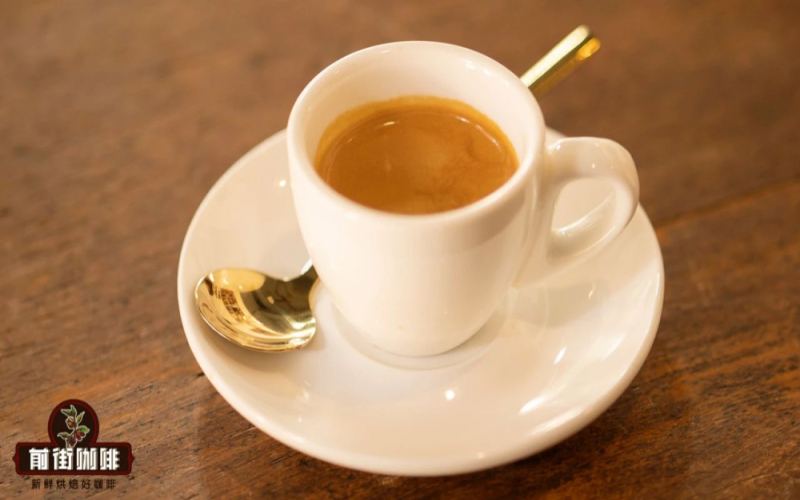
Espresso Fully Explained: Definition, Drinking Methods, and Key Differences from Americano
Walking into a café, that small cup of black coffee with golden foam floating on top and a strong, bitter taste is often espresso. It is both the base for drinks such as Americano, latte, and cappuccino, and the soul of Italian coffee culture. This article will start with the origin of espresso, its flavor characteristics, and its three-layer structure, explain its essential difference from Americano, and share the correct tasting steps, SCA extraction standard parameters, and the serving plan used at Front Street Coffee stores. Whether you are a beginner who has just encountered Italian-style coffee or an enthusiast looking to refine your tasting skills, you can gain practical reference from it. [more…]
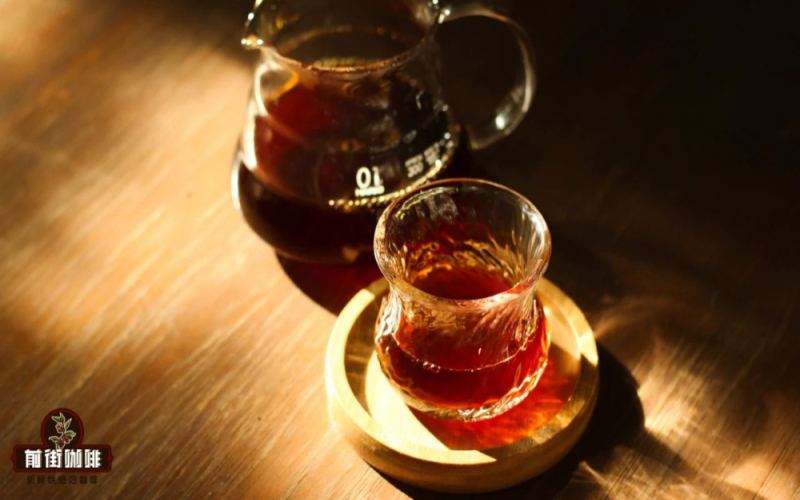
The Magic of Adding Salt to Coffee: The Practical Principles Behind Reducing Bitterness, Enhancing Sweetness, and Improving Smoothness
Adding flavorings to coffee is nothing new—sugar and dairy have long been common pairings—but the addition of salt surprises many people. In fact, thanks to its unique chemical and taste properties, salt can play multiple roles in coffee: from suppressing bitterness and enhancing sweetness and positive flavors, to reducing astringency and improving smoothness, and even adding complexity by highlighting salty notes. This article systematically outlines the various effects of adding salt to coffee and their underlying principles, and highlights precautions for its use, helping enthusiasts try this method more rationally. [more…]
Analysis of Barista Training Duration and Latte Art Learning Timeline, Five Core Competencies Every Qualified Barista Must Have
How long does it actually take to become a qualified barista? The learning curves for pour-over and espresso latte art differ, but what truly determines professional height are the professional habits that go beyond technical skill. Starting from the learning timeline, this article systematically outlines the five core qualities a qualified barista should possess: from insisting on drinking black coffee to build sensory memory, to broadly exploring cuisine to enrich flavor description ability; from strictly adhering to hygiene standards to integrating into team collaboration, and to maintaining an open mindset of continuous learning. The article also addresses the doubts raised by the "talent theory," emphasizing that solid practice is the key to growth. For baristas who are just entering the industry or seeking a breakthrough, this is a reference that combines practical guidance with professional philosophy. [more…]